
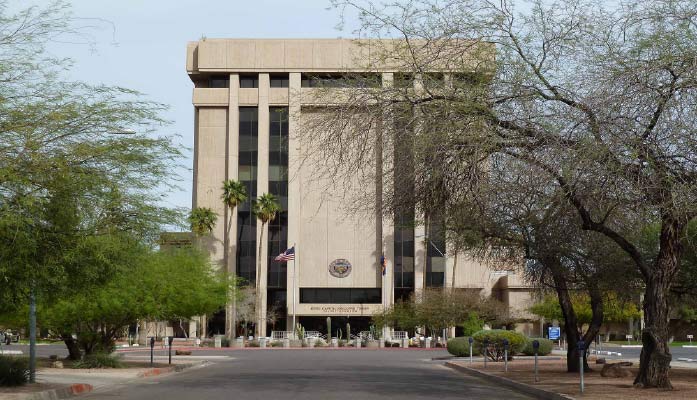
While Arizona State legislators were busy putting the finishing touches on the legislative session, Gov. Doug Ducey signed the budget they passed for Fiscal Year 2022. The budget package includes tax cuts, debt repayment, and a reduction of the state’s pension liabilities.
“Today I’m proud to sign a budget that delivers for Arizonans,” said Ducey in a press release. “Each and every Arizona taxpayer, no matter their income, will experience a tax cut under our historic tax reform. That means job creators will continue to choose our state to expand operations, working families will get to decide how they spend more of their hard-earned dollars, and those who served our nation will rightfully keep more of their own money. While we’re giving money back to taxpayers, this budget makes responsible, targeted and substantial investments in the things that matter. Under this budget plan, Arizona is paying off more than $1 billion in debt, we’re helping to protect families with the most sweeping child care package in the nation, and we’re making record investments in K-12 and higher education, infrastructure, public health and public safety.”
The plan implements a 2.5% flat tax phased in over three years beginning on January 1, 2022. Republicans claim the tax plan saves money for every Arizona taxpayer no matter their income, eliminates income taxes on veterans’ military pensions, increases the charitable contribution deduction to 100%, and protects small businesses from a 77.7% tax increase.
The Washington Post and the Wall Street Journal’s editorial board published columns about the tax plan and the impact it will have on Arizona. Additionally, a guest opinion by Governor Ducey, President Fann and Speaker Bowers about the historic tax reform was published in the Phoenix Business Journal last week.
Rep. David Cook fought for and secured a provision requiring that nearly $1 billion in debt is paid off and another $1 billion to be used to helps to reduce the state’s pension liabilities.
The budget also invests in areas like public safety, including $13 million for State Trooper body cameras and $55 million for border security; educational resources, including $30 million for school transportation and $50 million in student disability aid; $100 million for wildfire prevention and mitigation efforts; $47.2 million to develop early literacy programs for children across the state, and more.